The Myth of Rational Decision-Making (And Why It's Holding You Back)
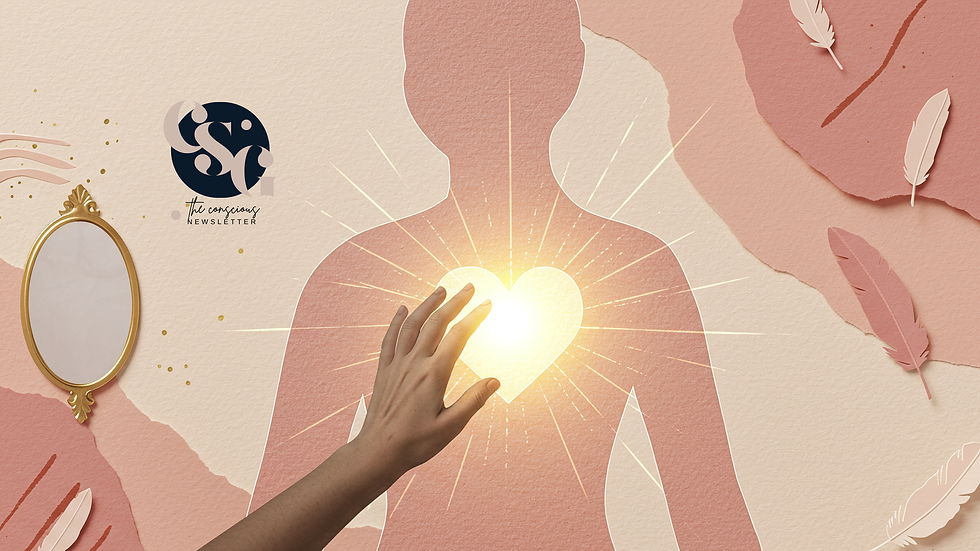
We've been told for years that emotions don't belong in business.
I once worked for a CEO who had a sign taped permanently to the boardroom door that said: "Leave your emotions at the door."
This never made sense to me.
Businesses are run by people. People are emotional beings. And these emotional beings make decisions.
Decision-making is rarely, if ever, devoid of emotion.
In fact, neuroscience shows that people with damaged emotional centers in the brain struggle to make decisions at all. Even simple ones.
Because emotion and decision-making aren't separate. They're intertwined.
The Decision That Proved It
That same CEO didn't want me to hire a particular designer for my team. She thought he lacked experience.
But I wanted to hire him because his journey really inspired me.
Which made me push hard. We hired him. And we did some amazing work together.
He became one of the best hires I ever made. We're still friends today.
That decision came from emotion. Empathy, hope, belief in potential. And it was the right call.
Where Decisions Actually Come From
Let's think about where your decisions actually come from.
Hope. Anxiety. Joy. Desperation.
True neutrality is rare. Impossible for most.
Look at the stock market if you don't believe me. Anyone remember the GameStop saga? Panic selling. FOMO buying. The entire market is driven by human emotion in real time.
We're not rational decision-makers. We're emotional beings who rationalize our decisions after we make them.
The Real Question
So the real question isn't whether emotions belong in business.
The real question is: are you aware of them?
There's a difference between making a decision from fear (reactive, short-sighted) and making a decision with awareness of your fear (thoughtful, strategic).
You can't eliminate emotion. But once you learn how to be aware of them, and take them as road signs instead of letting them drive your car, it changes everything.
What Awareness Actually Looks Like
Emotional awareness in decision-making looks like this:
"I really want to say yes to this opportunity. Let me examine why. Is it genuine excitement, or am I afraid of missing out?"
"I'm hesitant to hire this person. Is that intuition based on something real, or am I just uncomfortable with their unconventional background?"
It's not about removing emotion from the equation. It's about naming it. Understanding it. And then deciding whether it's useful information or just noise.
Why "Leave Your Emotions at the Door" Fails
The problem with the "leave your emotions at the door" mentality is that it's impossible.
You can't leave your emotions anywhere. They're coming in the room with you whether you acknowledge them or not.
And when you pretend they're not there, they don't disappear. They just operate in the background, influencing your decisions without your awareness.
When you're aware of your emotions, you can ask: "Is this fear useful? Is this excitement justified?" When you're not aware, your emotions are making decisions for you.
Final Thought: Emotion as Information
Emotions aren't the enemy of good decision-making. Lack of awareness is.
The best decisions I've made in business have come from a place of emotional clarity. Not emotional suppression.
I knew what I was feeling. I knew why. And I used that information to make a better choice.
So stop trying to be a perfectly rational decision-maker. You're not one. Nobody is.
Start being an emotionally aware one instead.
Subscribe to receive weekly introspective leadership content.


Comments